
Cost Per Year: Why Quality Furniture Is Cheaper Than Fast Furniture
If a piece of furniture seems overpriced, pause before walking away. Add up what you’ll spend replacing cheaper versions every five years—then compare the true cost. Most UK buyers don’t choose furniture—they react to price. Then they live with wobbling tables, sagging chairs, peeling finishes, and the quiet dread of knowing it won’t survive the […]

If a piece of furniture seems overpriced, pause before walking away. Add up what you’ll spend replacing cheaper versions every five years—then compare the true cost.
Most UK buyers don’t choose furniture—they react to price. Then they live with wobbling tables, sagging chairs, peeling finishes, and the quiet dread of knowing it won’t survive the next move. The furniture investment that looked expensive often proves cheaper over time.
Here’s how to buy quality furniture like an adult: measure cost per year, learn what fails first, use a quick longevity checklist, and see two examples from TAMART, a London-based furniture maker whose collection demonstrates these principles in practice.
The five-year furniture trap
Fast furniture feels easy—low commitment, fast delivery, easy to replace. The trouble is, “later” comes fast. Studies show many budget pieces last one to five years. Then the cycle begins again: shopping, delivery, assembly, disappointment.
The scale of this cycle is staggering. In the UK, about 42% of bulky waste is furniture, and much of it could be reused with small repairs. The pattern is similar across developed markets—in 2018, U.S. households sent 12.1 million tons of furniture and furnishings to waste, representing 4.1% of all municipal solid waste.
For UK buyers seeking sustainable furniture, the cheap choice usually costs three times: you buy again sooner, you waste time shopping again, and you add to disposal streams already under pressure.
Cost per year: the number that ends arguments
You can debate “expensive” forever. Cost per year makes it clear.
Formula:
Cost per year = (purchase + delivery + disposal + repairs) ÷ years of use
It’s not clever math — just honesty.
Include:
- Delivery and installation
- Protective treatments
- Maintenance (oiling, tightening, reupholstery)
- Disposal and removal fees
- Your time — especially if you’re a specifier
Don’t include:
- Imaginary resale values
- “It’ll be fine” guesses about structure
This calculation reframes the question. Not “is it worth it?” but “will it survive the life I’ll give it?”
What fails first (and how to spot it)
Furniture breaks in patterns. Learn them once and you’ll stop being surprised.
Structure
Cheap furniture hides weak frames under fabric or panels. The shortcuts appear later as wobbles, squeaks, and split joints.
Good furniture makes the structure part of the design. TAMART’s Central Stool, for example, uses visible mortise and tenon joinery and clearly specified materials.
Soft parts
Foam-heavy cushions flatten and deform quickly. TAMART’s Clore Lounge Chair uses a solid timber frame, layers of recycled and natural materials, and wool textiles — choices that extend comfort and life.
Surfaces and finishes
Thin veneers and brittle coatings chip and peel. Solid wood with oiled finishes can be renewed. That’s why TAMART explains its use of solid timber and repairable finishes in its buyer guides.
Repair access
A piece that can be tightened or re-covered stays useful. One that’s glued shut ends up in the bin.
TAMART’s Clore Coffee Tables use pocket dovetail joints for tool-free assembly. That’s not just convenience — it means you can move, service, and extend their life.
The longevity checklist
Before falling for the look, run through this list:
- Materials named precisely. If the description is vague, assume the worst.
- Joinery does the work. If it’s all glue and staples, you know how it ends.
- Soft parts recover. Ask how the seat feels after a thousand uses.
- Repair built in. Can it be reupholstered, refinished, tightened, or adjusted?
- Joinery does the work. If it’s all glue and staples, you know how it ends. TAMART’s Highgate Chair, for example, features an adjustable leather sling seat designed for long service—a detail that extends both comfort and lifespan.
Two real-world examples
Example 1: the lounge chair
You want one reading chair. A cheap one costs £600 and lasts five years — that’s £120 per year, not counting delivery or disposal. Over 15 years, you’ll buy it three times for about £1,800.
A Clore Lounge Chair costs £1,850. Keep it 15 years, and it’s roughly £123 per year. The difference vanishes. What remains is comfort, trust, and quiet satisfaction. After 15 years, you could pass it on to the next generation, or upgrade it by replacing the fabric.
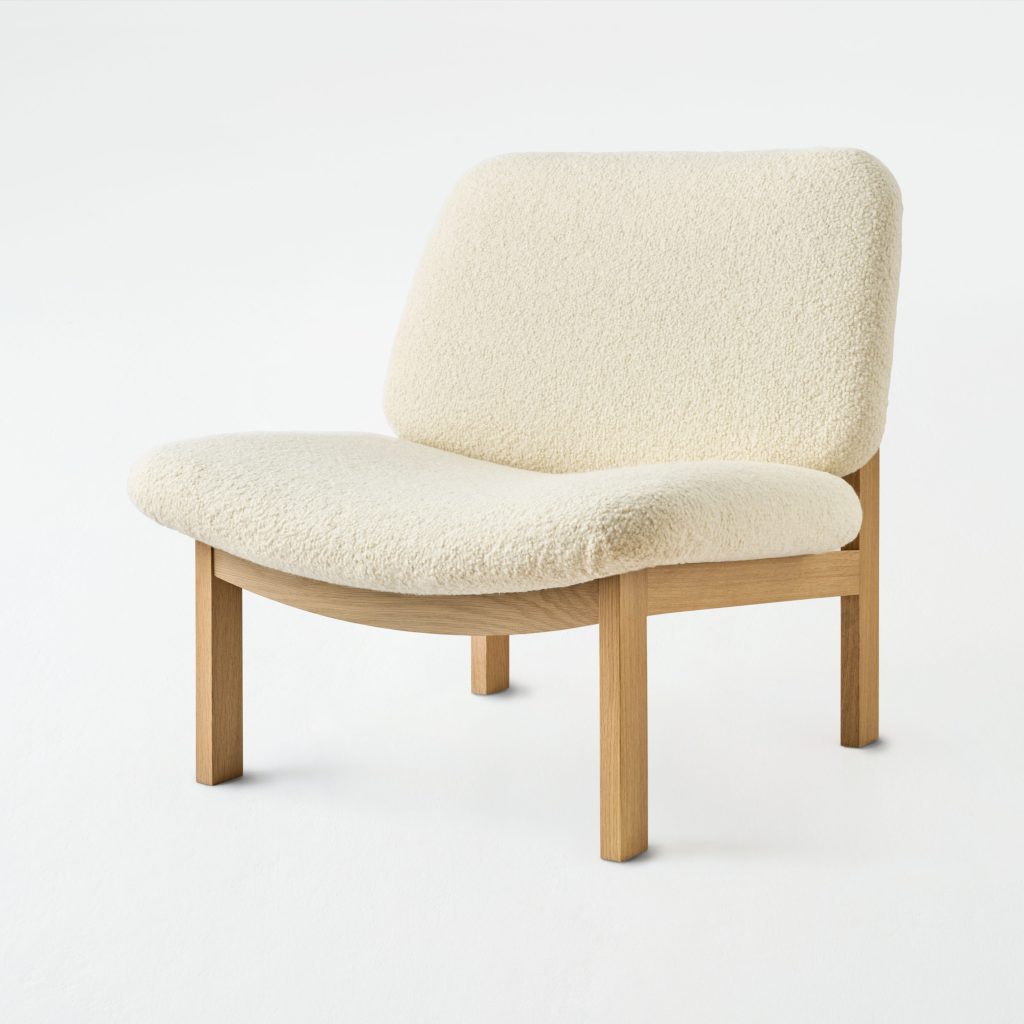
High-quality furniture isn’t pricier — it’s calmer economics.
Example 2: hospitality and high-use spaces
If you’re furnishing a hotel or lounge, every failure costs downtime and disruption. Prioritise three things:
- Serviceable construction. Tool-free joints mean easier maintenance and moving.
- Materials that age well. Leather and wool last when chosen with care.
- Lighting built to last. TAMART’s Clore Floor Lamp, with handblown Czech glass and a solid wood cradle, delivers beauty and endurance.

The rule: choose pieces that can be maintained without fuss.
Sustainability that behaves like engineering
Slogans are cheap. Longevity is real sustainability.
Sustainability as engineering, not marketing
The most effective environmental decision isn’t recycling—it’s delaying replacement. Every year you keep a piece of furniture in service is a year you’re not extracting materials, consuming manufacturing energy, or adding to waste streams. British furniture makers who prioritise durability aren’t just preserving craft traditions—they’re practising the most honest form of sustainability.
TAMART’s approach demonstrates this principle in practice: FSC-certified timbers sourced responsibly, natural textiles that biodegrade rather than persist, and repair-friendly construction that extends service life by decades. This isn’t sustainability as marketing—it’s sustainability as engineering.
The UK furniture industry has a choice: design for disposal or design for duration. Quality UK furniture design chooses the latter. When you select pieces built to last, you’re not just furnishing a space—you’re refusing to participate in the replacement cycle that defines fast furniture.
Buy once, care well, and you’ll own less and live better.
FAQ
Is expensive furniture always better?
No. High price can mean branding or inefficiency. Quality means solid materials, honest joinery, and repair access.
What lifespan should I expect?
Ten to twenty years for investment pieces. For commercial use, plan around contract cycles plus maintainability.
Material or construction first?
Construction. Strong joints survive; pretty materials don’t fix weak frames.
How do I check upholstery quality?
Ask what’s inside and whether covers can be replaced. Foam-heavy designs age poorly; natural-fibre systems age predictably.
What does repairable mean?
It can be tightened, refinished, reupholstered, or have parts replaced. Nothing is glued shut.
For designers: what proof should I ask for?
Specs, material schedules, care notes, lead times, CAD files, and references. TAMART offers these on its press page.
Next steps
For home buyers: Run the cost-per-year test on one daily-use piece. Decide if you want to buy it three times or once. Then visit TAMART’s London showroom in Shoreditch to see how quality furniture feels, sits, and lasts.
For specifiers: Shortlist pieces using the longevity checklist. Then ask: what fails first, and how do we fix it? Book a showroom visit in Shoreditch to review materials, joinery, and specifications in person.
Explore the collection: tamartdesign.com/collection | Book a visit: tamartdesign.com/contact