
What Makes Furniture “High-End” in 2026? A Buyer’s Guide
High-end furniture in 2026 is defined by three core qualities: materials that improve with age, construction methods built for longevity, and design rooted in craft tradition rather than trends. This guide will show you how to identify genuine quality in a market flooded with well-marketed but poorly made pieces, and why price alone never tells […]
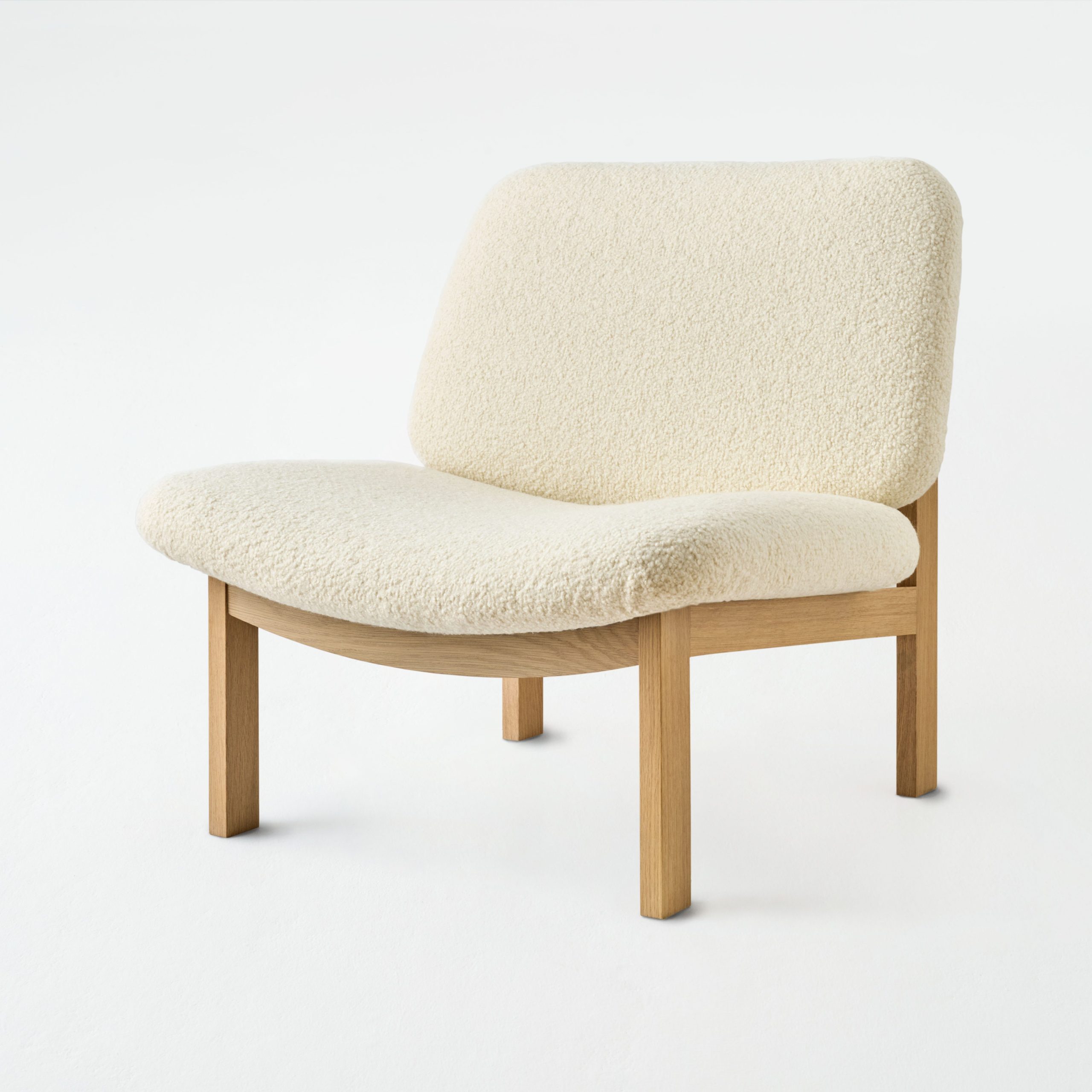
High-end furniture in 2026 is defined by three core qualities: materials that improve with age, construction methods built for longevity, and design rooted in craft tradition rather than trends. This guide will show you how to identify genuine quality in a market flooded with well-marketed but poorly made pieces, and why price alone never tells the full story.
Most people think “high-end” means expensive.
It does not.
Price is a side-effect. Quality is the cause.
The industry is saturated with well-photographed objects made from poor materials, assembled fast, designed to sell rather than last. At the same time, genuine craftsmanship has become rarer, quieter and harder to spot unless you know what to look for.
This article gives you a definition that actually works. Not a perfect one. A useful one.
Material Quality: Why High-End Furniture Ages Better
The quality of furniture is decided before design is even discussed. It starts with material selection.
High-end furniture uses materials that improve with time, not degrade.
Solid timber beats veneered board every time. Oak, ash, walnut and chestnut behave differently from MDF because they are alive. They expand, contract and develop tone. Veneer over particle board does not. It chips, delaminates and fails invisibly until it is irreparable.
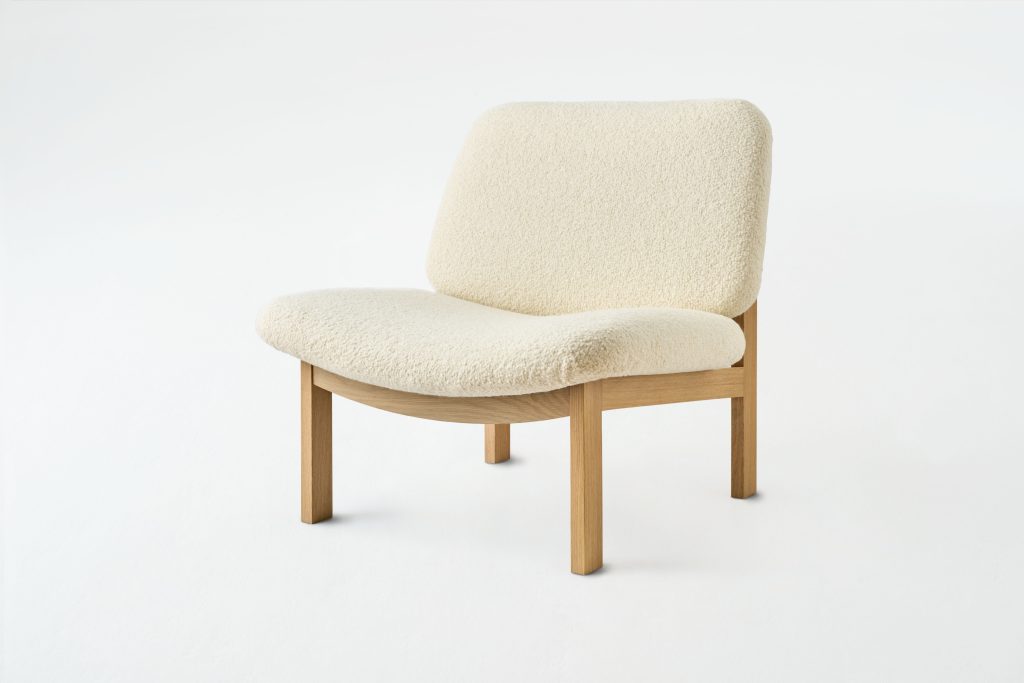
All our furniture is crafted from solid ash and oak. Meet the Clore Lounge Chair.
Textiles matter just as much. Natural wool, leather and cotton last. Polyester pills, foam collapses and composite padding deforms.
If you sit on a chair and the foam gives you that soft, forgiving feeling, you are not experiencing comfort. You are experiencing plastic breathing its last.
High-end furniture surfaces become richer, softer and more personal with use. Cheap furniture becomes tired.
That is the difference.
Construction Over Cosmetics
Great furniture does not shout. It holds itself together quietly.
You will not see quality in perfect Instagram photos. You see it when furniture ages well.
The joinery is the truth.
Mortise and tenon joints, bridle joints and mechanically honest assembly techniques exist for one reason. They work across decades, not seasons.

Detail showing the craftsmanship of the Highgate chair.
What fails first is never fabric or form. It is the structure underneath.
Staple guns, glued corners and unseen fixings are shortcuts disguised as innovation. They look identical on day one. By year three, the difference is obvious.
High-end furniture survives being moved, re-upholstered, refinished and lived with. It is built to be handled. Not just admired.
Design Lineage and Intellectual Ownership
Most furniture sold today is styling. Very little of it is design.
Design comes from thinking. Styling comes from copying.
High-end furniture does not chase shapes online or imitate Milan launches. It stands on ideas, not moods.
Design lineage matters because it shows that an object comes from thinking over time, not trend forecasting. When a piece of furniture is rooted in architectural thinking, in manufacturing knowledge and in historical context, it behaves differently.
It is quieter.
It ages better.
It does not beg for attention.
At TAMART, much of what we make does not begin in sketches. It begins in archives. Original drawings from the 1950s through to the 1980s, produced by architects who designed not for showrooms, but for buildings, hotels and homes that needed to work.
When design has a lineage, you feel it before you recognise it.
That is not nostalgia. It is integrity.
Sustainability Without the Theatre
Sustainability is not a badge—it is a consequence. Most sustainable claims focus on labels, but high-end sustainability is structural.
The most sustainable object you can own is one you do not replace. Longevity beats bamboo marketing. Caring about the planet while making disposable furniture is theatre.
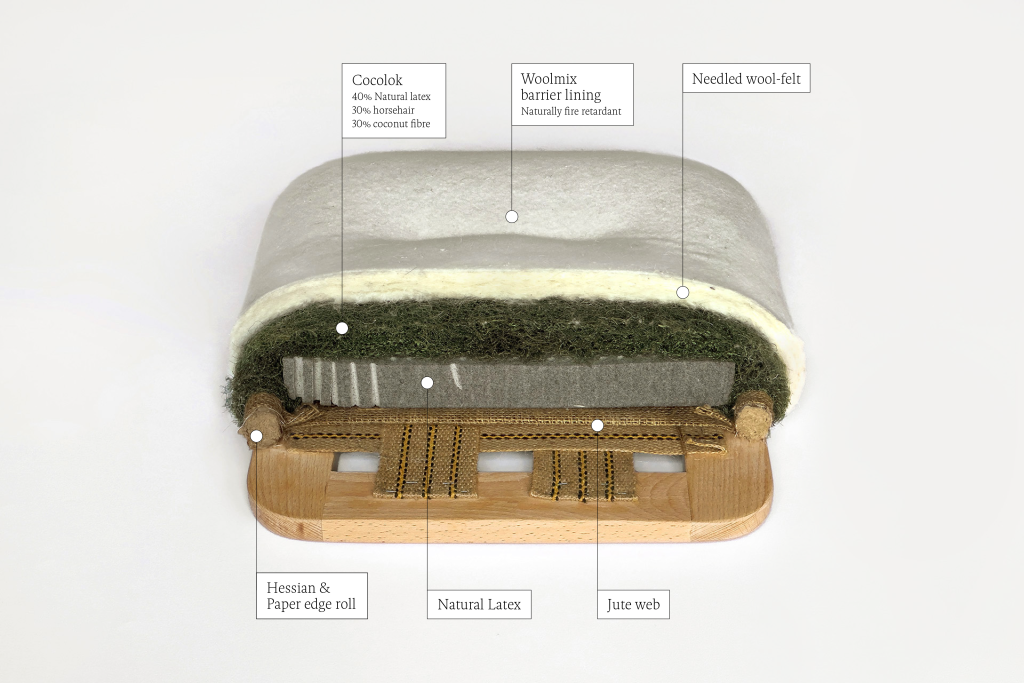
All of Tamart’s upholstery uses only natural materials and fibers—no foam whatsoever.
Real sustainability means choosing materials that can be repaired, refinished and passed on. It means designing furniture that is not glued shut like a smartphone. Avoiding foam matters. Using solid timber matters. Local production matters. Repair access matters.
High-end furniture respects physics. And ecology.
Read our sustainability statement on our website.
The Cost of Craft
The reason high-end furniture costs more is not mysticism—it is arithmetic. Good timber costs more, experienced labour costs more, slow manufacturing costs more, small batch production costs more, and waste reduction costs more.
Perfection is not mass-produced.
When furniture is priced low, something has been removed: either time, skill, wages or material. And you always pay later.
A Practical Checklist
If you want a quick filter when looking at furniture, use this list:
- Is it made of real timber or layered board?
- Can it be repaired when something fails?
- Does the maker specify materials clearly?
- Where is it manufactured?
- Is the structure visible and honest?
- Are joints part of the design or hidden behind upholstery?
- Does the piece feel balanced when you lift it?
- Would you still like it if the colour were different?
If the answers are vague, your decision should be decisive.
Where TAMART Fits
TAMART exists because high-end furniture has become visually loud and structurally thin. We believe quality is quiet, that design has a memory, and that furniture should not need explaining in three years. Our work is rooted in architectural thinking and built with future-proof logic—made in Europe, slowly, locally and deliberately, not because it sounds noble, but because it works.
Final Thought
If price is what you notice first, it will be what bothers you longest.
High-end furniture does not convince you.
It settles with you.
And stays.
—
See the difference for yourself.
Every piece at TAMART is made from solid timber, traditional joinery, and decades of design thinking. Explore the collection or arrange a visit to the showroom.